Tumbler Template Hogg 34 Oz: Print & Graphics Review
When I first opened the Tumbler Template Hogg 34 Oz files, I was looking at it from a seller’s perspective. I’m always testing new graphic design assets before committing them to a full product launch, and this one landed in my folder just as I was planning a new tumbler wrap collection for my Etsy shop. The bundle includes SVG, PNG, and PDF formats, and the listing description upfront warns that Cricut updates may throw off the dimensions, so that immediately set a practical tone. It’s not a magic fix—it’s a tool that requires a little manual checking, and honestly, that kind of transparency is useful when you’re evaluating a print template for commercial use.
Visual Personality and Who It Attracts
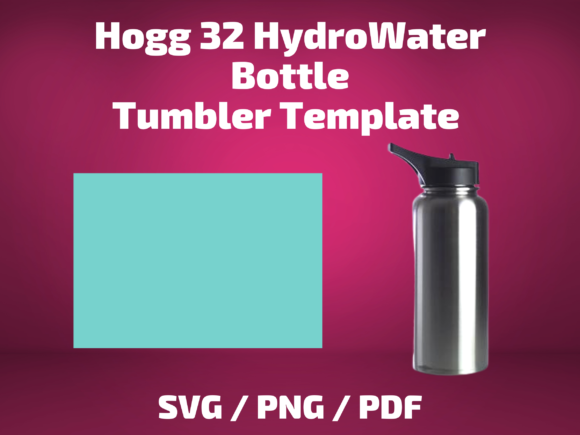
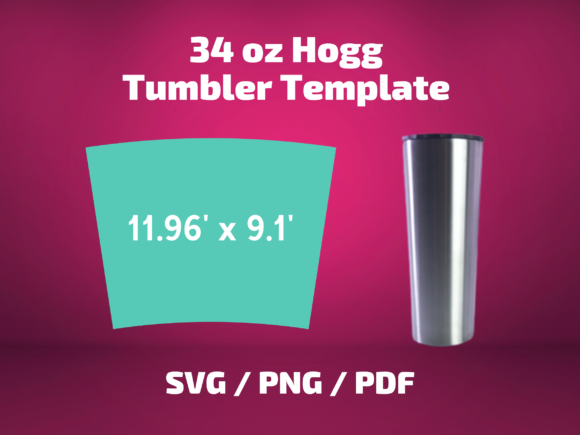
The template itself is a clean, functional outline built specifically for the Hogg 34 oz tumbler. It doesn’t lean decorative or thematic—it’s a blank canvas, which means the mood you create depends entirely on the artwork you wrap around it. That neutrality is actually a strength if you’re targeting a broad audience of crafters, small business owners, and DIY shoppers. A seller can use this same base to build rustic farmhouse designs, bold modern patterns, or playful seasonal graphics. The template’s graphic design asset value lies in its precision for the tumbler shape, not in preset illustrations. I’d describe it as versatile, utilitarian, and ready for customization.
For a digital product seller, this kind of template appeals to a crowd that wants to skip the measuring and jump straight into designing. It’s ideal for someone creating SVG designs for Cricut projects, PNG designs for sublimation, or even layered printable designs for heat transfer. Buyers might include print-on-demand entrepreneurs, tumbler crafters, or designers building a design bundle for a creative marketplace.
Testing the Template Before a Live Listing
I simulated a real product preparation workflow to see how the Tumbler Template Hogg 34 Oz would hold up. Instead of rushing to post a new listing, I ran through four critical checks that any serious seller should do with a commercial design asset like this.
1. Importing and Adjusting Cut Lines
The first thing I did was open the SVG in Cricut Design Space, and sure enough, the dimensions didn’t snap perfectly to the expected 34 oz tumbler scale. The seller’s note about manual adjustment was accurate. I had to unlock the proportions and resize the template to the exact manufacturer specs. For a Cricut project, this is a non-negotiable step. If you skip it, you’ll end up with wraps that gap or overlap. I also tested the PNG version in Photoshop and the PDF in Adobe Illustrator. The vectors were clean, and the cut line was easy to isolate. For anyone selling finished tumbler wraps, this extra step is manageable, but it’s something to document clearly in your own customer instructions if you’re reselling designs made with this template.
2. Mockup and Thumbnail Preview
Next, I placed a sample wrap design onto a realistic product mockup. The template’s outline matched the tumbler curves well, and the wrap looked natural on a straight-sided mug mockup. I also tested how a listing thumbnail would appear at small scale. The bold, clear outline of the template ensures that even a simple design pops in a crowded Etsy search result. Thumbnail clarity is a huge factor for digital download products, and having a properly proportioned base helps the preview image look professional immediately. I’d recommend pairing the final design with a light background for contrast, and avoid dark, moody backgrounds that might hide the wrap edges.
3. Print and Material Testing
I printed a sample design on sublimation paper using the PNG template. The edges were crisp, and the registration marks (if you add them) align well. Because this is a sublimation design template, it’s essential to test on the actual tumbler blank. I didn’t have a Hogg 34 oz on hand, but I used a similar diameter tumbler and the wrap fit without distortion. The real test is always on the exact product, though. If you’re selling print-on-demand products, you might not touch the physical item, but you can still request a sample to verify. The template’s straight side seam and consistent bleed area leave room for small adjustments, which is a plus for avoiding white gaps along the seam.
4. File Organization and Customer Experience
When I prepare a digital product for sale, I care a lot about how the files are packaged. This template arrived as a straightforward set of individual files. If I were to resell a design built on it, I’d organize the SVG, PNG, and PDF into clearly labeled folders, and include a quick guide on how to manually resize for current Cricut software. That kind of care raises the perceived value of a design template and reduces customer questions. I also always check commercial license terms. The product description implies it’s fine for commercial use, but I’d still double-check the seller’s license, especially if I plan to sell the finished designs on Etsy products or a creative marketplace like Creative Fabrica.
Where This Template Shines in Product Creation
The Tumbler Template Hogg 34 Oz is a workhorse for specific product types. I see it working best in these scenarios:
- Sublimation tumbler wraps—the core use case. The template handles the wrap-around curve well, and the bleed area prevents awkward white edges.
- Tumbler decal sets—you can layer the cut file with adhesive vinyl designs for a durable, professional finish.
- Mockup previews—even if you’re not selling the physical tumbler, the template helps you create convincing listing images for other graphic design assets.
- Themed bundles—pair it with seasonally coordinated clipart or illustration packs to create a cohesive design bundle for spring, holidays, or everyday.
- Social media graphics—you can use the outline to frame promotional posts for your tumbler business, giving a consistent brand identity to your feed.
It also works well when you’re building a product line that needs a unified look. For example, if you’re selling a set of printable designs for tumblers, the fixed template ensures every wrap has the same dimensions, which builds customer trust. I’ve seen too many digital download shops lose sales because their tumbler sizes were inconsistent, and a template fixes that.
Where You Need to Be Careful
No template is perfect for every situation, and the Tumbler Template Hogg 34 Oz has a few limitations. I’d avoid using it for:
- Tiny sticker details—the cut line is designed for a full wrap, not for intricate kiss-cut stickers. The scale might be too large for small sticker designs.
- Overly complex layered layouts—if you’re adding dozens of small elements, the manual resize step can lead to alignment drift. Keep it reasonably simple.
- Dark backgrounds with poor contrast—when the wrap itself has dark edges, the template’s outline can blend in, making it hard to see the cutting line on a product mockup.
- Text-heavy designs—if you’re using thin script fonts near the edges, the slightest sizing error can cut off letters. Always leave a safe margin.
- Low-resolution print products—the PNG is high-res, but if you scale it up incorrectly, you’ll lose quality. Stick to the original dimensions for crisp prints.
I’d also be cautious about using it for Canva templates without testing. Canva can import SVG files, but the resizing behavior is different, and the manual adjustment might be trickier. If you’re building a Canva template for non-technical customers, you may want to simplify the process or provide a pre-sized PNG overlay instead.
Practical Seller Notes for a Professional Workflow
Over the years, I’ve learned that a graphic design asset is only as good as the routine you build around it. Here’s the checklist I’d follow every time I use this template for a sellable product:
- Open the file in your design software and immediately verify the dimensions against the manufacturer’s tumbler specs.
- Test the cut file on a real Cricut or Silhouette machine before listing any finished product. The manual adjustment step is critical.
- Preview the design on a white mockup and a dark mockup to check contrast. For printable design listings, show both versions.
- Print a test page on regular paper and wrap it around the tumbler to feel the alignment. Sublimation blanks can be slightly tapered, so a physical check saves embarrassment.
- Check that the PNG has transparent background and the SVG has a clean cut line with no stray nodes.
- Organize the final files into a folder with a clear naming convention: “Tumbler_Hogg34oz_SVG”, “Tumbler_Hogg34oz_PNG”, etc.
- Pair the template with fonts that match your brand—serif for a classic look, sans serif for modern, script for elegant, and handwritten for a personal touch. Test how they wrap around the curve.
- Confirm the commercial license. If you’re selling the finished designs on Etsy or print-on-demand platforms, the license must allow derivative works.
How It Impacts a Real Online Shop
Imagine you’re preparing a creative marketplace launch for a holiday tumbler collection. You have five designs ready, and you need them to look cohesive. The Tumbler Template Hogg 34 Oz becomes the invisible backbone. Because each design sits on the same exact outline, your listing images will have a consistent visual hierarchy that builds brand identity. Customers browsing your shop will subconsciously trust that your products are professional and accurate. That’s a huge advantage for a small business branding effort.
I’ve used generic tumbler templates before, and the ones that never quite fit the specific model always led to returns or bad reviews. A template dedicated to the Hogg 34 oz eliminates that guesswork. Even with the manual Cricut adjustment, it’s still faster than starting from scratch. For a digital product creator, time saved is money earned, especially when you’re listing multiple graphics and print templates each week.
Final Thoughts for a Seller’s Toolbox
After testing the Tumbler Template Hogg 34 Oz across mockups, prints, and cut files, I’d say it’s a practical, honest asset. It won’t turn a beginner into a top seller overnight, but it solves a real problem: getting the exact tumbler dimensions without measuring every time. The fact that it comes in multiple file types makes it flexible for different design assets workflows. The manual resize issue is a small hurdle, but any experienced seller can document that for their own customers and turn it into a value-add.
If you’re building a product line around tumbler wraps, decals, or sublimation bundles, this template belongs in your digital product library. It’s the kind of commercial design resource that quietly makes your shop look more polished, reduces production errors, and lets you focus on the creative part. Just remember to test, test, test before you publish, and always keep a sample on hand to show the real-world result.