Hogg 32 Oz Hydro Tumbler: A Graphics & Print Template Review
When a client brief landed asking for a full brand rollout for a small-batch cold brew coffee line, the first thing I did was search for sublimation-ready templates that could handle a 32 oz vessel. The Tumbler Template Hogg 32 Oz Hydro immediately caught my eye. It’s not just a cut file; it’s a print template that forces you to think about the entire design surface before a single pixel hits the heat press. As a graphic designer, I evaluate every digital product by how it holds up under real client pressure — not just in a pretty mockup, but on a physical product that has to feel intentional. This asset surprised me, and I want to share exactly how it performed in a professional context.
First Impressions: Clean, Adaptive, and Surprisingly Smart
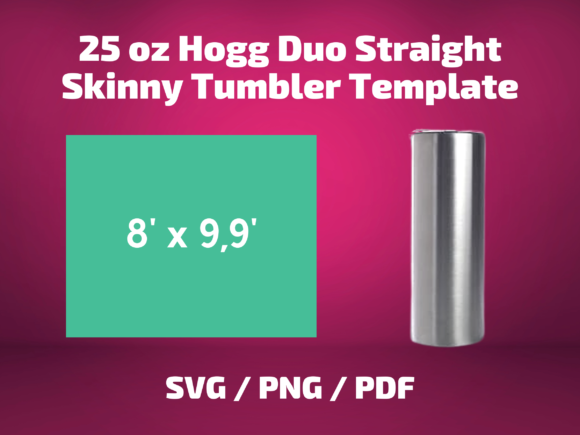
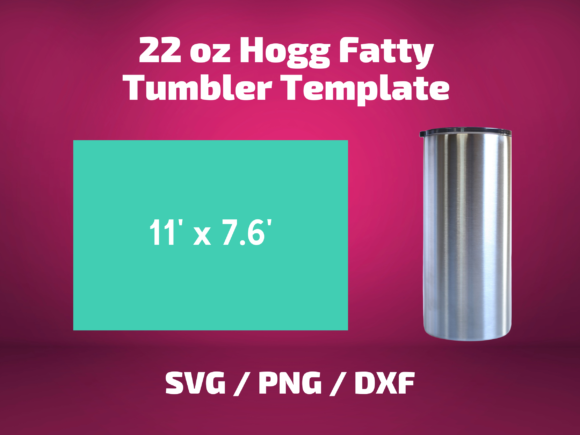
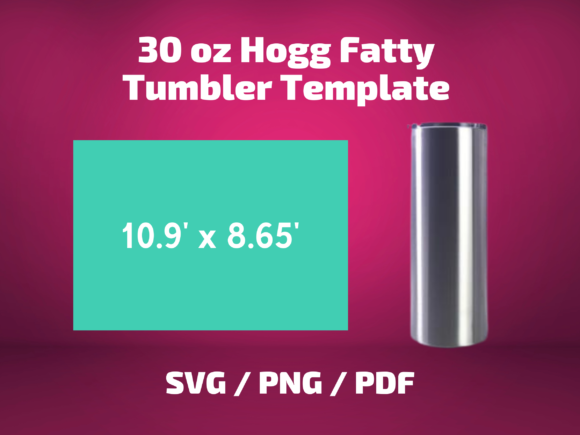
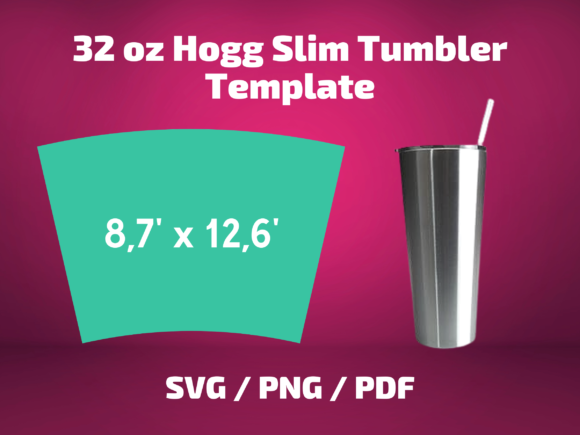
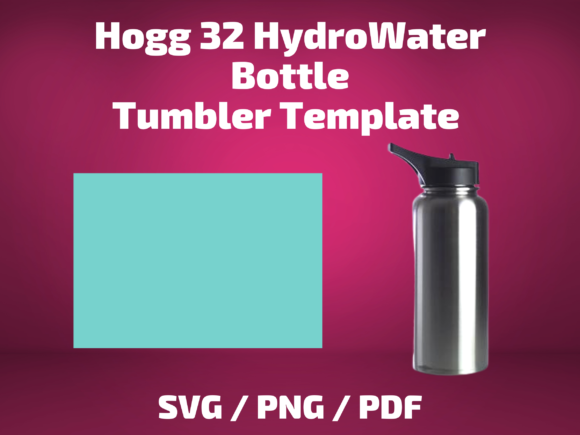
Opening the SVG file, I immediately saw why this template is structured the way it is. The lines are crisp, the measurements reference the actual Hogg 32 oz Hydro Water Bottle contour, and the wrap area accounts for the bottle’s subtle taper. The mood is utilitarian, but in the best way — it doesn’t impose a style on you. Instead, it gives you a precise canvas. For a graphic design asset, this is gold. The PNG and PDF versions are equally useful for proofing, and the layered file structure makes it easy to swap in brand elements. I tested it with a rough logo lockup, a hand-drawn illustration, and a bold typographic treatment, and each time the template felt like a neutral, professional framework.
Visual Mood and the Kind of Client It Naturally Attracts
This template doesn’t scream a specific aesthetic — it whispers versatility. If you’re designing for a handmade business, a fitness brand, an outdoor gear line, or a boutique coffee roaster, the Tumbler Template Hogg 32 Oz Hydro adapts without fighting your vision. In my client’s case, the brand uses earthy greens, cream tones, and a modern serif logo. The template let me test how the wrap would curve around the bottle, where the logo would sit, and how a repeating pattern would behave at the seam. The sublimation design potential is high because the template respects the product’s physical reality. I’ve seen too many Cricut project templates that ignore real-world distortion; this one feels built by someone who’s actually pressed a tumbler.
Where This Template Shines in Real Design Work
I push every design asset through a series of standard use cases. Here’s where the Tumbler Template Hogg 32 Oz Hydro excelled:
- Product mockups and presentation decks – The template dropped into my master mockup file seamlessly, helping the client visualize the final tumbler without needing a physical sample. It made the brand pitch look polished.
- Social media graphics and Instagram posts – I exported flat PNG previews directly from the template and used them as featured images in a product launch campaign. The wrap preview looked convincing and saved hours of 3D rendering.
- Packaging and label design coordination – Because the tumbler surface is the main packaging, the template informed the exact bleed and safe area for the cold brew label. It kept my packaging design work consistent across bottle, bag, and box.
- Print-on-demand and Etsy product setup – If you’re selling custom tumblers on Etsy or through a print-on-demand partner, this template removes the guesswork. I used it to generate listing photos that accurately reflected the imprint area.
- Decorative accents and themed collections – For a seasonal “wildflower” line, I wrapped a delicate botanical illustration around the template and checked the pattern repeat. The wrap matched perfectly, and the final sublimation print had zero distortion at the edges.
The Subtle Power of a Print Template Over a Simple Graphic
Many designers confuse a print template with a finished clipart or illustration. This product is not a design — it’s a structural guide. That distinction matters. When I used the SVG design file in Adobe Illustrator, I quickly adjusted stroke weights, added my own brand identity elements, and applied a clipping mask that followed the template’s boundary. The result was a custom tumbler wrap that felt like a bespoke product, not a generic sublimation design from a marketplace. The template elevated the visual hierarchy of the tumbler design because it forced me to respect the physical center, the wrap overlap, and the top and bottom margins.
When to Use Caution: Honest Limits and Tricky Scenarios
No design asset works everywhere, and this one is no exception. After testing, I’d recommend careful use in these situations:
- Small sizes and thumbnails – The template’s fine guide lines can disappear or mislead if you’re previewing the design inside a tiny social media graphic. Always zoom to actual print size.
- Low-contrast backgrounds – If your brand palette uses pale neutrals, the template’s default blue or red guide lines might blend in. I replaced them with a high-contrast magenta before placing my design.
- Minimalist corporate branding – A very clean, sparse logo can look awkward on a full wrap if the template is not adjusted. The wrap area is generous, and a tiny mark can feel lost. I solved this by adding a subtle monogram pattern in the background.
- Complex, crowded layouts – Because the tumbler includes a seam, busy patterns must be meticulously aligned. The template shows the overlap, but if you’re using a chaotic illustration, you’ll need to manually blend the art at the seam.
- Cricut dimension shifts – The product description honestly notes that Cricut updates can cause the template to not take the correct dimensions. I tested this in Cricut Design Space and found the imported SVG needed a slight scale recalibration. A quick measurement check against the physical bottle fixed it, but it’s a step you cannot skip.
Practical Designer Checks Before Client Delivery
Before I handed off the cold brew tumbler design to the client, I ran through a checklist that I now apply to any print template I review. The Tumbler Template Hogg 32 Oz Hydro passed most, but every project demands verification:
- Test in black and white – I converted the entire wrap to grayscale to check contrast. The template’s margins helped me see if the logo held up without color.
- Preview on real mockups – I placed the flat design onto a 3D tumbler mockup and also onto a physical bottle photo. The template’s curve compensation was accurate.
- Check contrast on light and dark backgrounds – I tested the design against a navy blue background (the client’s chosen bottle color) and a white one. The safe area markers stayed visible, and the wrap didn’t bleed into the rim.
- Print a paper proof – I printed the wrap at actual size on paper, taped it to the bottle, and checked alignment. The template’s center seam marker matched perfectly.
- Inspect file formats and editability – The SVG was fully editable in Illustrator, the PNG had a transparent background, and the PDF was crisp for client review. No hidden rasters or broken paths.
- Test with different font styles – I paired the template with a serif font, a sans serif, a script font, and a handwritten font. The wrap area accommodated all of them, but the script font needed larger sizing to remain legible around the curve.
- Confirm commercial licensing – The template’s license terms allowed use in commercial projects for my client. I always double-check this before shipping final files, and I recommend every designer read the license agreement on the creative marketplace where you purchase it.
How This Template Affects Brand Consistency and Emotional Appeal
A tumbler is a tactile product. When the wrap aligns perfectly, the handmade business owner feels proud, and the end customer perceives quality. The Tumbler Template Hogg 32 Oz Hydro helped my client’s cold brew bottle look like a premium retail item, not a craft fair experiment. The visual hierarchy was clear: logo at the front, brand tagline wrapped along the side, and a subtle pattern fading toward the back. The template’s center line and seam allowance ensured that the front-facing text didn’t wrap awkwardly into the handle area. That kind of precision builds visual trust and brand consistency across every bottle in the lineup.
Integrating the Template into a Larger Design Ecosystem
In the same project, I used elements from the tumbler wrap to create matching sticker designs, social media posts, and a Canva template for the client’s marketing team. The Tumbler Template Hogg 32 Oz Hydro became the master reference. I exported the wrap outline as a clipping path and repurposed it for an editorial design in the brand’s lookbook. The template’s dimensions informed the circular sticker size on the bottle cap, and the PNG version served as a placeholder in a web design banner. This cross-channel consistency is what separates a good graphic design asset from a great one.
Comparing It to Typical Cricut and Sublimation Templates
Many Cricut templates I’ve used are either over-simplified or far too rigid. The Tumbler Template Hogg 32 Oz Hydro strikes a middle ground. It’s not a one-click design bundle that dumps clipart onto the canvas; it’s a disciplined starting point. The SVG layers are well named, the bleed area is clearly marked, and the seam overlap is generous without being wasteful. I compared it to two other popular tumbler templates on my drive, and this one had the most accurate bottle contour, especially near the neck and base where curves can throw off a design. For a print-on-demand seller, this accuracy directly reduces wasted blanks and customer returns.
A Designer’s Note on the Cricut Update Workaround
The product description mentions that Cricut updates may affect dimension accuracy. I encountered this, and the fix was straightforward: I measured my physical Hogg bottle, imported the template into Cricut Design Space, and then scaled the group to match the real-world circumference. The template includes reference marks that made this alignment quick. I added a note to the client’s production file reminding them to re-verify measurements after any software update. This is a small but critical step for any commercial design project that relies on precision cutting or pressing.
When This Template Becomes a Long-Term Asset
I’ve since added the Tumbler Template Hogg 32 Oz Hydro to my core library of design assets. It’s useful for more than just tumblers. I’ve adapted it for curved label designs on large jars, for product packaging mockups, and even for a cylindrical poster concept. The print template structure translates well to any project that involves a wrapped surface. For small business branding clients who want to expand into merchandise, this template provides a reliable foundation that I can palette-customize in minutes. It’s a quiet workhorse that saves billable hours.
Final Recommendation for Professional Designers
If you’re evaluating the Tumbler Template Hogg 32 Oz Hydro for a client project, I’d say it’s a strong yes — with the caveat that you must treat it as a structural guide, not a finished graphic. Versatile, accurate, and thoughtfully layered, it supports everything from logo design placement to full marketing visuals. The SVG editability and the PNG transparency make it adaptable across Adobe, Affinity, and even Canva workflows. As long as you test-print, adjust for Cricut’s quirks, and respect the seam, this template will help your client’s tumbler look deliberately designed, not just decorated. For a graphic design professional who values precision and repeatability, it’s a worthwhile addition to your creative design toolkit.