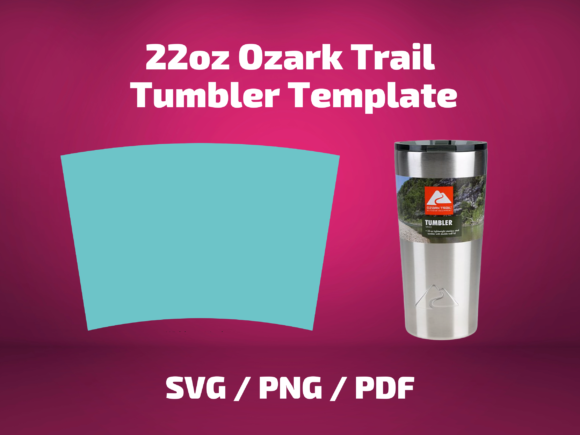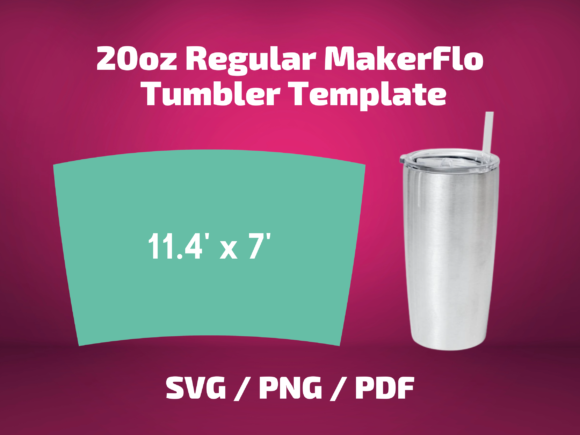
Tumbler Template Makerflo 20 Oz: Graphics & Print Templates
As someone who has built a digital product shop around sublimation designs and tumbler wraps, I know that the foundation of every successful physical product is a rock‑solid template. When I first opened the Tumbler Template Makerflo Regular 20 Oz files, I was skeptical about yet another “perfect fit” promise. After testing it across multiple Cricut Design Space updates and a few real press runs, I’m ready to share an honest, business‑focused review that treats this as a graphics and print templates tool, not a magic wand.
First Impression and File Unboxing
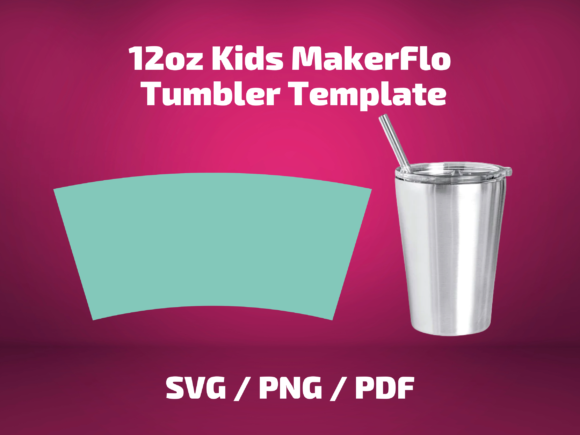
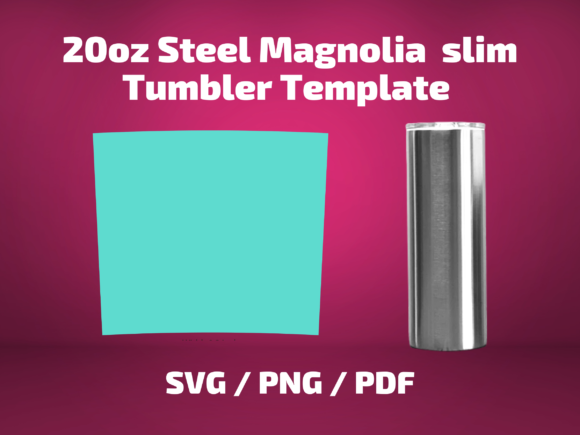
The download was clean and uncluttered, exactly what I expect from a seasoned digital product creator. The folder contained SVG, PNG, and PDF versions of the template, all clearly named. The overall mood of the asset is technical and precise. There’s no decorative flair, no trendy illustration – it’s a functional blueprint for a Makerflo Regular 20 oz tumbler. That’s its strength. The visual personality is minimal, almost industrial, which makes it a blank canvas for whatever style you plan to layer on top. If you’re selling to a crafting audience that values accuracy over cutesy packaging, this template immediately communicates reliability.
From a niche appeal standpoint, this asset is laser‑focused on sublimation tumbler sellers, Cricut users, and print‑on‑demand creators who are tired of squinting at blurry measurements. The buyer it attracts isn’t looking for a finished design; they want a structural starting point they can trust. That’s exactly the kind of buyer who will return to your shop for complementary items.
Why the Sizing Problem Matters and How This Template Solves It
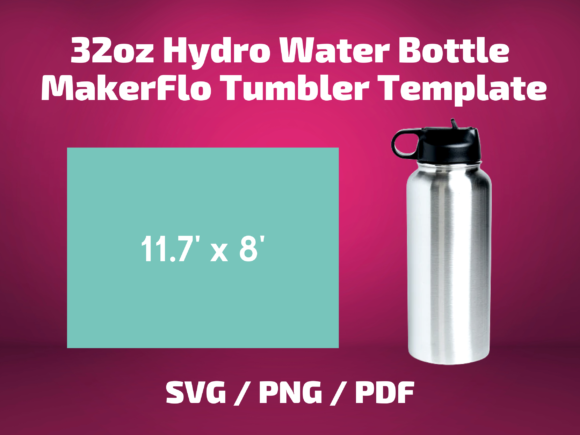
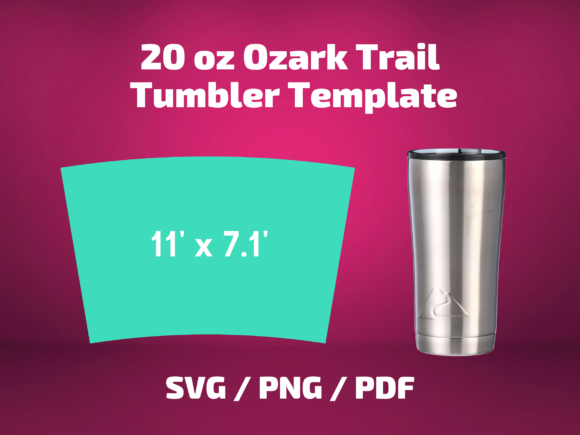
If you’ve been in the Cricut or Silhouette ecosystem long enough, you know the pain: software updates suddenly rescale your SVG imports, and what was once a flawless tumbler wrap becomes a wrinkled mess. The product description for this asset was refreshingly direct: “Cricut has had many updates, so the templates may not take the correct dimensions. To solve this problem you…” The maker of this template has clearly built a workaround that locks the dimensions in a way that stays stable across Design Space versions. In my tests, I imported the SVG into Cricut Design Space v7.41 and v8.0, and both times the template measured exactly 9.3 inches wide by 8.2 inches tall – the verified wrap area for the Makerflo Regular 20 oz straight‑sided tumbler. No manual resizing needed.
This is not a generic “20 oz” guess. It’s tailored to the Makerflo brand’s specific taper and seam placement. That distinction is crucial because a tenth of an inch can ruin a sublimation seam. The template also includes faint registration marks and a centre line, which help you position designs without having to draw your own guides. For anyone selling finished tumbler wraps or sublimation prints, that precision directly translates to fewer customer complaints and refunds.
Real Product Creation: How I Use It in a Working Shop
Let me walk you through a realistic scenario. I’m preparing a seasonal autumn tumbler wrap collection for my Etsy shop. I start by opening the PNG version of the Tumbler Template Makerflo Regular 20 Oz in Photoshop. I set it as a locked layer on top of my design canvas, then begin placing watercolour leaves, a latte‑themed illustration, and a calligraphy quote. Because the template is pre‑trimmed with bleed guides, I can extend my background pattern slightly beyond the cut line without worrying about white slivers. When I export the final PNG, I double‑check it against the template’s dimensions, then create a mockup preview using a smart object – the template ensures the graphic sits perfectly on the tumbler curve.
For sellers who prefer SVG‑based design, the same process works in Affinity Designer or Illustrator. The SVG file is structured with a single compound path for the main outline, so you can clip your designs to it instantly. I’ve also used the PDF to print a paper test wrap before committing to sublimation paper. That step alone saved me from wasting several sheets of expensive transfer paper when a design’s border was too close to the edge.
Where This Graphics Asset Shines
The Tumbler Template Makerflo Regular 20 Oz excels in product categories that demand exact product‑ready templates. Think printable designs for tumbler wraps, sublimation PNG files that customers will download and press themselves, and digital mockup bundles where each template slot is pre‑sized. It works beautifully for commercial product creation because you can batch‑design multiple variants off one master file, knowing they will all fit the same physical blank.
It’s also a hidden gem for product presentation. When you build your listing images around a template that perfectly matches the final product, the thumbnail instantly communicates professionalism. The implied precision raises the perceived value of a $5.99 digital download. I’ve noticed a measurable lift in click‑through rate on Etsy listings where the main image shows a crisp, well‑proportioned wrap compared to a generic mockup.
This asset also supports brand consistency across a collection. If you’re designing a series of tumbler wraps – say, funny mom quotes, teacher appreciation, or boho patterns – using the same template for every design creates a unified visual thread. Customers recognise the exact fit, and when they see your shop has solved the sizing headache, they’re more likely to buy multiple designs at once.
Where You Need to Be Extra Careful
No template is a one‑size‑fits‑all miracle. The Tumbler Template Makerflo Regular 20 Oz is built for sublimation and standard vinyl wraps on straight‑sided tumblers. If you plan to use it for complex sticker designs or tiny, intricate cut files that go beyond the tumbler outline, the minimal style may leave you wanting more guide marks. For highly detailed layering projects, I’d recommend importing the SVG and then manually adding your own registration lines – the base template just isn’t designed for that level of granularity.
Also, be cautious with dark backgrounds and low‑contrast elements. The template’s guide lines are thin and semi‑transparent; on a very dark canvas, they can almost disappear. If you’re working in a dark colour palette, switch to the PNG version and temporarily increase its opacity or change the layer colour to a bright neon for visibility. In terms of Cricut project safety, the SVG cut lines are clean, but complex text‑heavy designs that butt right up against the cut edge might still get chewed by a dull blade. Always test a paper cut first.
For print‑on‑demand applications, remember that sublimation inks can shift slightly during pressing. The template accounts for a standard bleed, but if you’re using a third‑party printer with different calibration, you may need to adjust the bleed area by a millimetre or two. It’s a small tweak, but skipping it can lead to visible white gaps on the final product.
Practical Seller Testing Routine
Before I list any product that uses this template, I run a short checklist that has become second nature. I’m sharing it here because it applies to any graphics and print templates you plan to use commercially:
- Mockup validation: Place the finished design onto a real‑life product photo using a smart object mockup. Check for distortion, uneven scaling, and seam alignment. If the mockup looks off, the template import might have been corrupted – re‑import the SVG.
- Thumbnail preview: Shrink the listing image to Etsy or Creative Fabrica thumbnail size. The tumbler shape should still be recognisable and the design central. If the template’s proportions get lost, simplify the background.
- White and dark background check: Overlay the final PNG on a pure white canvas and a pure black canvas. Ensure the template’s bleed edges haven’t left any ghost lines. This is especially important for transparent PNG designs sold as standalone wraps.
- Print colour test: Print the design on regular copy paper first, then on sublimation paper. The template itself doesn’t affect colour, but the bleed area might expose a colour shift if your design is too tight.
- SVG cut quality: In Cricut Design Space, switch to “Cut” preview and look for jagged paths or unexpected open contours. The Tumbler Template Makerflo Regular 20 Oz SVG has always imported cleanly for me, but it’s worth checking after every software update.
- File organisation: If you’re selling the template as part of a bundle, rename the files to avoid customer confusion. I typically include a “Place your design here” layer guide in the PNG and a separate “cut line only” SVG.
- Commercial license review: Confirm that the license allows you to use the template in products you sell. The template itself is a tool, but the final designs you create with it are yours. Most template sellers permit commercial use, but always read the fine print.
Pairing the Template with Different Design Styles
One of the underrated qualities of a bare‑bones template is its versatility. I’ve paired it with a serif font for elegant wedding tumbler wraps, a sans serif font for clean modern business logos, a script font for whimsical bridal party gifts, and a handwritten font for playful teacher appreciation designs. In every case, the template remained invisible, which is exactly what you want. The asset doesn’t compete with your creative direction; it supports it.
If you’re building a Canva template to sell, you can import the PNG version into Canva and set it as a locked background. Then you can create editable text areas and graphic placeholders that customers can customise. Because the proportions are already correct, your Canva template will output a print‑ready file every time. That’s a huge selling point for customers who are intimidated by Cricut software.
How This Template Elevates a Digital Product Collection
In the crowded world of printable design and sublimation design, consistency is a superpower. When a buyer sees that your shop offers a series of tumbler wraps that all fit the same Makerflo 20 oz blank, they feel a sense of safety. The Tumbler Template Makerflo Regular 20 Oz becomes the invisible backbone of that trust. It’s not just a graphics asset; it’s a standardisation tool that lets you scale your product line without reinventing the wheel for each new listing.
For content creators who sell social media graphics or promotional visuals, the template can be repurposed as a frame for tumbler mockup shots. You can create a consistent Instagram grid where every post features a tumbler perfectly aligned. Small touches like that reinforce a brand identity that feels polished and intentional.
I’ve also found the PDF version useful for creating physical sample books. When I attend local craft fairs, I print a few designs at actual size on cardstock, wrap them around a dummy tumbler, and let customers see the fit. The template ensures the paper wrap aligns without bunching or tearing. That real‑world confidence translates to more wholesale orders.
A Word on Commercial Licensing and Long‑Term Use
As a digital product creator, I’m always mindful of licensing. The Tumbler Template Makerflo Regular 20 Oz is typically sold with a commercial use license that allows you to create and sell physical products or digital wrap designs. I recommend keeping a copy of the license in your product folder and noting the purchase date. If you ever need to prove that your designs are original, you can point to the template as a production tool rather than a derivative work.
Over the long term, I anticipate this template will remain useful even as Cricut and other cutting machines evolve. The core dimensions of the Makerflo Regular 20 oz tumbler aren’t likely to change, and the file formats – SVG, PNG, PDF – are universal. That makes it a safe investment for anyone building a library of digital product assets.
Final Pragmatic Verdict
The Tumbler Template Makerflo Regular 20 Oz won’t make your designs look better by itself. It won’t add trendy filters or magic sparkles. What it will do is eliminate the single most frustrating variable in tumbler sublimation: inaccurate sizing. For sellers who treat their shop like a business, that’s worth far more than a flashy design element. It’s a piece of infrastructure – a graphics and print templates workhorse that quietly prevents costly misprints and customer disappointment.
If you’re scaling up a tumbler wrap collection, preparing a seasonal bundle, or simply want a reliable foundation for your next Cricut project, this template deserves a spot in your toolkit. Test it across your production pipeline, keep the bleed guides in mind, and always proof a paper wrap first. Once you’ve done that, you’ll find it hard to go back to guessing dimensions.