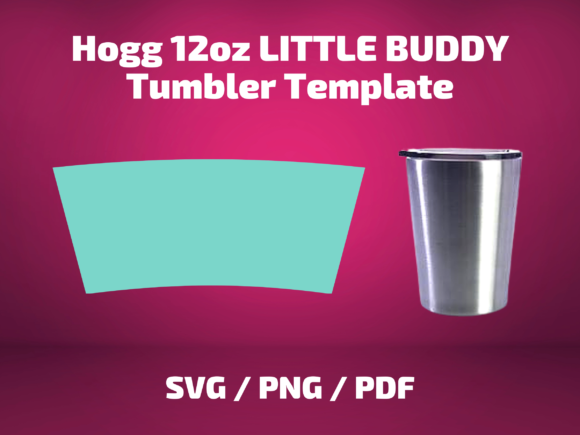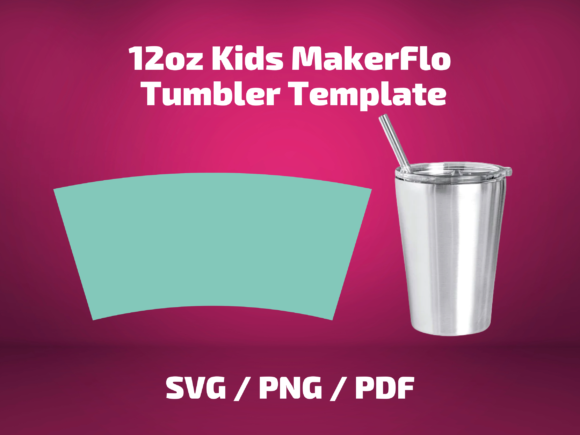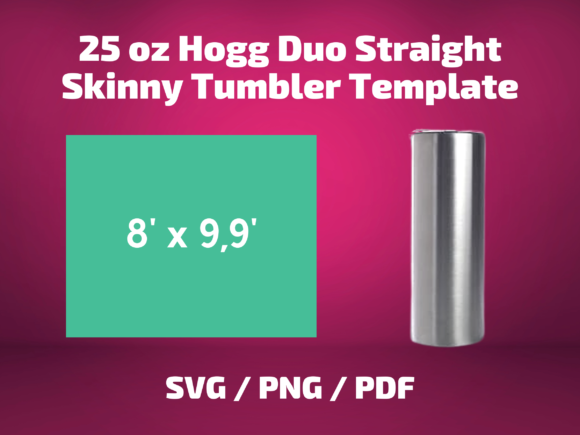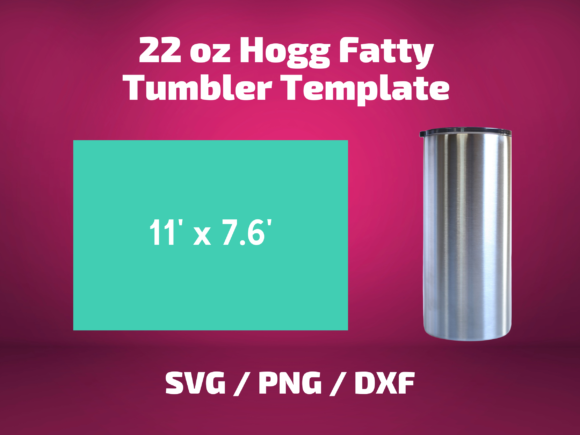
Tumbler Template Hogg 12 Oz Duo Kids Cup Graphics
As a graphic designer who’s built brand identities for over a dozen handmade businesses—from seasonal Etsy launches to local boutique product lines—I recently evaluated the Tumbler Template Hogg 12 Oz Duo Kids Cup for a real client: a small-batch children’s wellness brand launching reusable drinkware for ages 3–8. The goal was cohesive, joyful, and parent-trusted packaging—no stock clichés, no visual noise. This template didn’t just pass muster—it sharpened the entire visual direction.
A First Impression That Feels Intentional, Not Generic
The Tumbler Template Hogg 12 Oz Duo Kids Cup delivers immediate warmth and approachability. Its proportions are thoughtfully calibrated—not too tall, not too squat—mirroring the actual cup’s playful yet functional silhouette. Unlike many mass-market tumbler templates that lean into aggressive gradients or cartoonish exaggeration, this one balances simplicity with character: clean curves, balanced negative space, and subtle contour cues that suggest grip and usability. It reads as designed, not auto-generated—a rare win in the crowded print templates category.
Where It Elevates Real Client Work
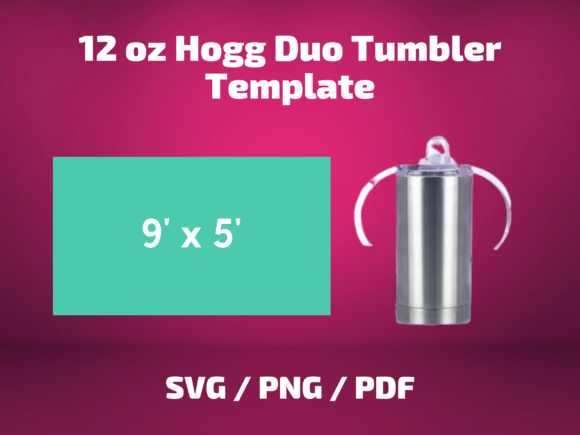
In our wellness brand project, we used the template across three critical touchpoints: product mockups (to show the cup in natural light on Instagram and Etsy), packaging design (as a die-line base for custom-printed sleeve labels), and social media graphics (scaled down for Pinterest pins and Reels thumbnails). Because the SVG PNG PDF template for Hogg 12 oz duo kids cup includes vector outlines and high-res transparent PNGs, we could layer custom illustrations directly onto the cup shape without pixelation or alignment drift.
It also performed exceptionally well in Cricut projects—though with an important caveat: Cricut has had many updates, so the templates may not take the correct dimensions. To solve this problem you need to manually verify scale in Design Space using the cup’s official specs (3.5" diameter × 5.75" height). Once calibrated, it became our anchor for consistent sublimation-ready layouts, especially when paired with hand-lettered slogans and botanical clipart.
Strengths Across Creative Use Cases
- Brand identity systems: Works beautifully as a recurring motif in style guides—especially for handmade business branding where tactile authenticity matters.
- Printable design & packaging design: The PDF layering guide helped us align bleed zones and safety margins precisely—critical for print-on-demand sellers avoiding costly reprints.
- Social media graphics: Its generous center area accommodates bold typography while retaining legibility at thumbnail size—ideal for Instagram posts and Canva templates aimed at parents.
- Sticker design & merchandise: The clean SVG paths allowed effortless recoloring and resizing for vinyl decals, tote bags, and matching t-shirt design elements.
- Editorial design & web design: Used as a subtle background element in blog headers and landing page hero sections—adding product context without overwhelming content hierarchy.
Where Caution Is Warranted
This isn’t a universal-fit asset. It should be used carefully in minimalist branding—its gentle contours read as friendly rather than austere, so pairing it with ultra-thin sans serifs or monochrome palettes risks visual softness. Avoid cramming it into crowded layouts or placing it over complex photographic backgrounds; its strength lies in clarity, not contrast dominance. And while it supports logo design as a supporting element, it shouldn’t serve as the primary logo mark—it lacks the scalability and abstraction needed for true logo versatility.
Designer Notes You Can’t Skip
- Test it in black and white—verify silhouette integrity and edge definition before committing to color.
- Check contrast on light and dark backgrounds, especially if planning sublimation on both white and pastel tumblers.
- Preview at small and large sizes: Does the handle detail hold up at 1.5" width? Does the rim curve stay smooth at 24"? (It does—but only if you use the SVG, not downscaled PNGs.)
- Place it on real mockups, not just flat previews—light interaction reveals how well the shape implies depth and materiality.
- Test print quality with your vendor’s recommended DPI and bleed settings—this is a commercial design asset, not a decorative clipart piece.
- Inspect PNG transparency: The included files have crisp alpha channels—no fringing, no anti-aliasing ghosts.
- Confirm commercial licensing before using it for a client or business project—this is essential for Etsy product listings, digital sellers, and print-on-demand storefronts.
- Compare font pairings: It harmonizes best with rounded sans serifs (like Quicksand or Nunito) and warm script fonts—not sharp display fonts or rigid serifs.
Why It Earns a Spot in Your Design Assets Toolkit
The Tumbler Template Hogg 12 Oz Duo Kids Cup succeeds because it bridges craft and commerce. It feels handmade but performs like a professional-grade graphic design asset. For marketers building emotional resonance, it adds warmth without saccharine overload. For content creators producing social-first assets, it guarantees consistency across platforms. For small business branding, it becomes a quiet signature—repeating across stickers, email headers, and packaging without fatigue.
Most importantly, it doesn’t ask you to work around its limitations. With thoughtful prep—scaling verification, format selection, and background testing—it integrates seamlessly into modern design workflows. Whether you’re developing a creative marketplace listing, refining a Canva template library, or finalizing a client’s product mockup suite, this template earns trust through precision, mood, and quiet professionalism.