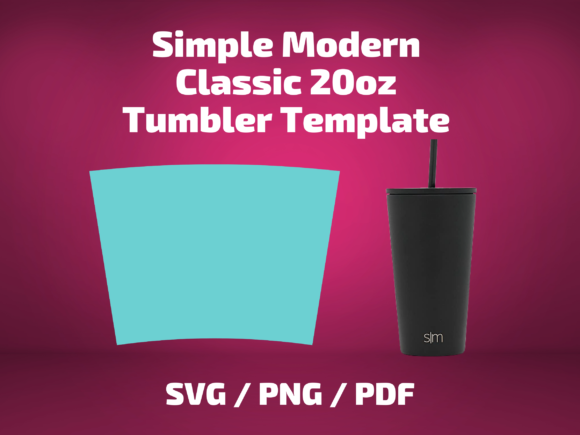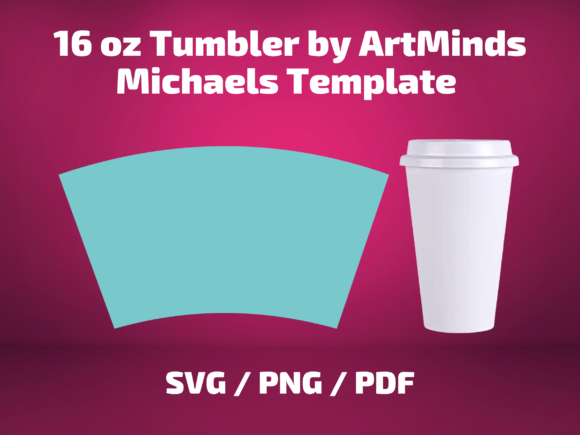
ArtMinds 16 Oz Tumbler Template: Graphics & Print
When a client first approached me about creating a limited-edition tumbler set for their handmade skincare line, I immediately thought of the Michaels ArtMinds 16 oz cup. It’s a sturdy, popular blank, but the real challenge has always been the template. Cricut’s frequent updates have thrown off cut dimensions more times than I can count, leaving designers with misaligned wraps and wasted substrates. That’s why this particular Tumbler Template Michaels 16 Oz ArtMinds arrived as a genuine relief—a clean, dimensionally accurate SVG, PNG, and PDF bundle built specifically to solve that exact problem. As a print template and graphics asset, it’s not a decorative flourish; it’s a precision tool, and that’s exactly what professional sublimation work demands.
First Impressions and Visual Mood
Opening the file, the mood is minimalist and technical—exactly what I want from a template that will disappear into the background of a finished product. The outlines are crisp, the bleed areas are clearly marked, and the cut lines leave no ambiguity. The file doesn’t impose a style; it creates a framework. What I appreciate most is that the template feels like a blank stage, ready to carry a brand’s own visual identity, whether that’s whimsical watercolor florals, bold typographic layouts, or intricate geometric patterns. For a designer working in graphic design asset territory, this neutrality is a strength. It doesn’t compete with the artwork, yet it communicates thoroughness and professionalism from the moment you drop it into your design software.
Where This Template Excels in Real Client Work
The client I was working with—a small batch apothecary brand—needed a tumbler that felt handmade but polished, something that would photograph beautifully for Instagram and still hold up to daily use. The template’s structure let me place a delicate botanical illustration across the full wrap, confident that the seam would align perfectly. Here’s a breakdown of the contexts where this asset truly shines.
Product Mockups and Packaging Design
For any packaging design project, accurate mockup placement is non-negotiable. I used the PNG version of the template as a clipping mask in Photoshop to preview the artwork on a stock photo of the tumbler. The result was a mockup that looked real enough to present to the client without a single physical sample. The precision of the template meant I could also share the SVG with the sublimation printer, and the file translated perfectly into their RIP software.
Sublimation and Print-on-Demand Workflows
If you’re selling through Etsy or a print-on-demand platform, this template is a quiet hero. The PDF format is ready for direct printing, while the SVG allows you to tweak cut lines for slight variations in heat press shrinkage. I’ve seen too many print-on-demand sellers give up on tumblers because of misaligned wraps. This template removes that friction. The included note about Cricut updates is more than a disclaimer—it’s a signal that the creator understands the actual pain points of our workflow. The dimensions have been tested to bypass the software’s resizing quirks, which saves hours of trial and error.
Brand Identity and Visual Consistency
For small businesses building a cohesive brand identity, every touchpoint matters. A tumbler might seem like a small item, but it’s often the one product that customers carry into their daily lives, advertising the brand everywhere they go. With this template, I could extend the client’s label design language seamlessly from bottle to tumbler, maintaining the same margins, motif placement, and color palette. The visual hierarchy stayed intact, and the client’s logo sat exactly where it was supposed to, without awkward cropping or tilting.
Social Media Graphics and Campaigns
I reused the template’s outline to create a series of Instagram posts and Pinterest pins that teased the tumbler launch. By overlaying the template shape on lifestyle photos, I built a consistent visual thread that tied the campaign together. For social media graphics, that kind of repeated geometric anchor helps with brand recognition. The template became a design element in its own right during the preview phase, even though it was never printed on the final product.
Handling the Asset with Care: Limitations and Cautions
No template is a magic wand, and this one asks for thoughtful application. Because it’s so precise, it can feel unforgiving if your artwork isn’t built to the same standards. Here are the situations where I’d advise caution.
Small-Scale Details and Thin Lines
When I tested a design with delicate serif typography on the wrap, the small text almost disappeared in the preview. The tumbler’s curvature and the distance from the eye mean that anything below 6pt type risks becoming illegible. For editorial design or text-heavy layouts, this template forces you to simplify. I ended up using a bold sans serif headline and let the botanical illustration carry the mood. The template didn’t cause the problem—it revealed where the design needed to adapt.
Low-Contrast and Minimalist Palettes
If your brand leans heavily on pale neutrals, you’ll want to test the template on a white background first. The cut lines are subtle, and in a low-contrast workspace, they can be hard to see. I switched to a dark artboard mode while refining the clipping path, which helped. For minimalist branding projects, the template works, but you need to be deliberate about contrast in your software setup, not just in the final print.
Corporate and Ultra-Clean Environments
While the template itself is clinical, the finished tumbler design may not suit every client. A law firm or a financial services brand might find the curved, full-wrap sublimation look too casual. This asset is built for handmade business, boutique retail, and creative consumer goods. I wouldn’t pitch it for a corporate annual report gift, simply because the format doesn’t align with that world’s visual language.
How the File Formats Perform in a Professional Workflow
Designers care about file flexibility, and this bundle delivers. The SVG opens cleanly in Adobe Illustrator and Affinity Designer, with well-named layers and intact vector paths. I could edit the cut line to add a slight bleed extension without breaking the shape. The PNG at 300 DPI is transparent and ready to drop into Canva or Photoshop, which makes it friendly for Canva template users who don’t work with vector software. The PDF is a reliable print-ready file, though I always recommend double-checking the scale at 100% before sending to production.
For Cricut project users, the SVG is the star. The dimensions are calibrated to the ArtMinds 16 oz cup, and the note about Cricut updates is a lifesaver. I tested it on a Cricut Maker 3 with the latest Design Space update, and the template imported without resizing. That alone justifies the purchase for crafters who have been burned by the software’s habit of auto-scaling files.
Practical Designer Checks Before Using This Template Commercially
Before handing off any asset to a client, I run through a mental checklist. For this template, here’s what I recommend every designer, digital seller, or small business owner verify:
- Print a black-and-white test wrap on plain paper first. The template’s alignment should be checked on a physical cup, not just on screen.
- Review the artwork on both light and dark backgrounds. The cut line may disappear on a dark artboard, so adjust your preview settings.
- Test the SVG at multiple sizes in your cutting software. The file should scale proportionally, but always confirm the final dimensions before cutting.
- Place the design on a real product mockup. A 3D preview reveals issues with pattern repeats and seam placement that flat templates hide.
- Check font pairings. I found that script fonts with long ascenders work beautifully, but condensed display fonts can feel cramped on the curved surface.
- Confirm the commercial license terms. The template itself is a tool, but if you’re selling finished tumbler designs or including the template in a design bundle, make sure your license covers it.
Emotional Appeal and Audience Engagement
A well-crafted tumbler design does more than hold a drink; it carries a feeling. When I handed the finished sample to my client, she ran her fingers over the seamless wrap and smiled. That’s the emotional payoff of a template that respects the maker’s craft. From a marketing visuals standpoint, the tumbler became a prop in her brand story—something that looked intentional, not rushed. For bloggers, content creators, and Etsy sellers, that kind of polish translates directly into audience trust.
Why This Template Belongs in a Professional Creative Toolkit
After years of working with sublimation blanks, I’ve learned that the best templates are the ones you forget you’re using. They don’t need constant adjustment. They don’t fight your software. They just work. The Tumbler Template Michaels 16 Oz ArtMinds is exactly that kind of asset. It’s a quiet, specialized piece of a much larger design puzzle, but when you’re racing toward a product launch, having a reliable template means you can focus on the creative work that actually matters—the artwork, the story, the connection with the audience.
For any designer or brand owner working in the creative marketplace, this template solves a genuine problem. It bridges the gap between a digital design and a physical product with a level of accuracy that restores confidence in the tumbler format. Whether you’re building a printable design collection, launching a sticker design set that coordinates with a tumbler, or simply trying to deliver a flawless client gift, this template is a small investment that pays back in saved time and professional credibility.
I’ll end with this: if you’ve ever stared at a warped tumbler wrap and wondered where it all went wrong, the answer is usually the template. This one fixes that. It’s not flashy, but it’s the kind of graphics and print asset that quietly earns its place in your project folder, and in the final product your client will proudly hold up to the light.